The Autobiography of a Runaway Slave (Warwick University Caribbean Studies)
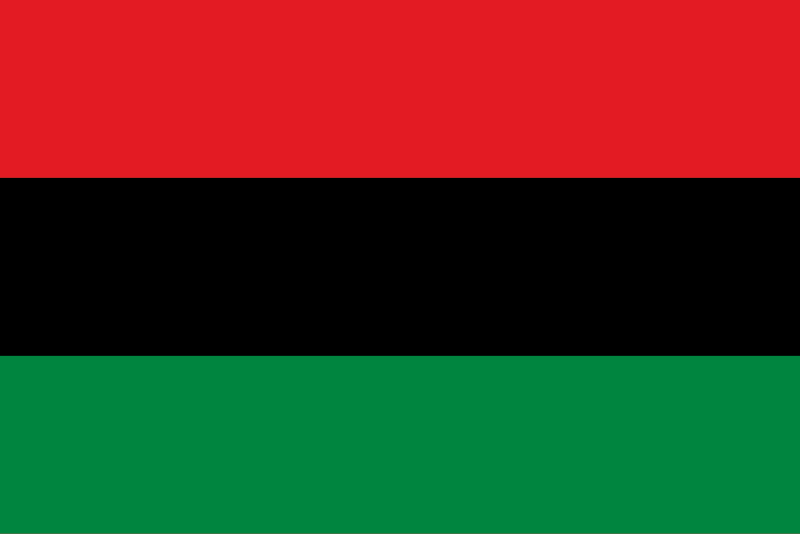
The strongest gods are African. I tell you it's certain they could fly and they did what they liked with their witchcraft. I don't know how they permitted slavery. The truth is, I start thinking, and I can't make head or tail I of it. To my mind it all started with the scarlet handkerchiefs, the day they crossed the wall. There was an old wall in Africa, right round the coast, made of palm-bark and magic insects which stung like the devil. For years they frightened away all the whites who tried to set foot in Africa. It was the scarlet which did for the Africans; both the kings and the rest surrendered without a struggle. When the kings saw that the whites—I think the Portuguese were the first—were taking out these scarlet handkerchiefs as if they were waving, they told the blacks, 'Go on then, go and get a scarlet handkerchief, and the blacks were so excited by the scarlet they ran down to the ships like sheep and there they were captured. The Negro has always liked scarlet. It was the fault of this colour that they put them in chains and sent them to Cuba. After that they couldn't go back to their own country. That is the reason for slavery in Cuba.
Books by Esteban Montejo and/or Miguel Barnet and/or C. A. M. Hennessy in Black Latin American Writers In Translation
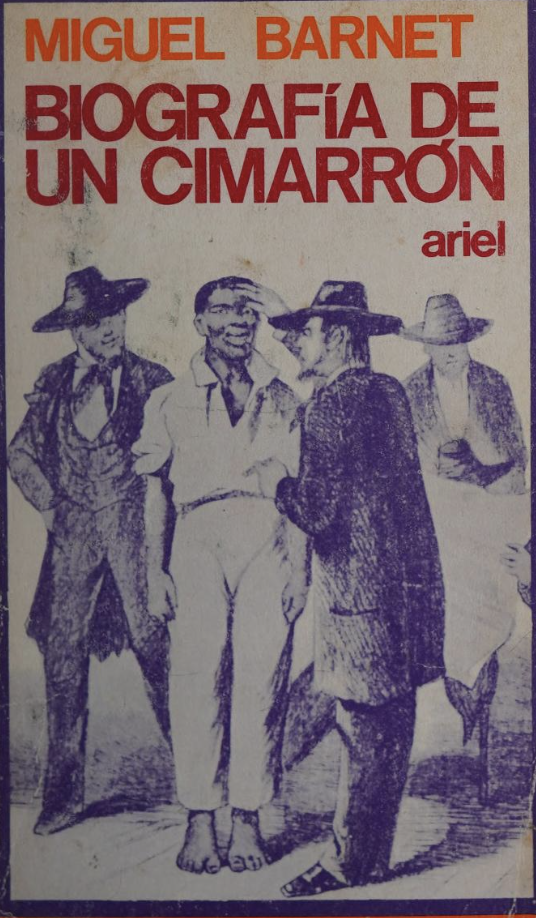
Biografía de un cimarrón
Esteban Montejo
+
Miguel Barnet
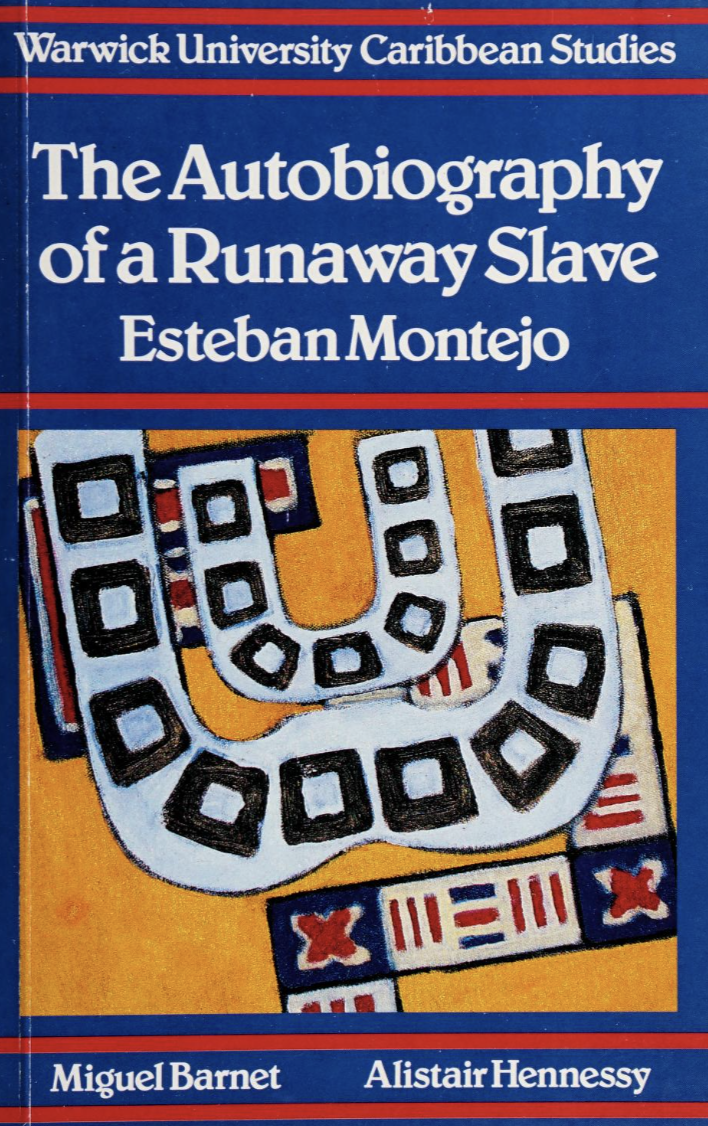
The Autobiography of a Runaway Slave (Warwick University Caribbean Studies)
Esteban Montejo
+
Miguel Barnet
+
C. A. M. Hennessy
About Black Latin American Writers In Translation
Welcome to Black Latin American Writers In Translation, an organization and digital project that highlights the historical works of Black Latin American writers and their translated works. BLAWiT is a resource for readers, writers, publishers, students and teachers interested in Black American and Latin American culture in general, and Black Latin American culture in particular. It gathers book covers, excerpts, bibliographic clues and digital downloads of works by Black Latin American authors in original language and in translation.